


A monochromatic makeup look uses a single shade family to connect lips, cheeks, and eyes in a simple way. It keeps the face clean and calm without too much effort.
This blog will help you understand the meaning of single-tone makeup and the three most trendy makeup ideas for daily life. It will also cover steps to do monochromic makeup.
Single-tone makeup is built on the idea of using one colour family to keep the whole face connected. It makes the eyes, cheeks, and lips look like they belong together without feeling too strong or heavy. This style is easy to follow because it removes confusion about which shades match. By staying within one shade family, the face looks calm and even. It also helps people apply makeup faster since they already know the tone they will use. The goal is balance, not perfection, which is why many people choose this method for daily wear.
The following list will help you with the three best trendy makeup ideas for daily life:
This look adds light colour to the cheeks, simple shadow on the eyes, and a calm lip shade. It works well for days when someone wants a clean and quick routine that still feels fresh.
This idea uses soft tones that stay close to the natural skin shade. It keeps the face smooth and even without looking heavy, which makes it easy for work or daily tasks.
A gentle wash of colour on the eyes with a matching lip tone creates a balanced finish. It keeps the face simple and neat for daily use.
You can check the list below to plan a cohesive makeup routine:
Pick a single colour family that suits your skin tone. This makes the routine easier and keeps everything connected.
Start with the eyes, move to the cheeks, then finish with the lips. This helps the tones stay even across the face.
Add lighter or deeper tones of the same colour instead of switching shades. It keeps the look steady.
Swatch the colours on your hand to check if they blend well before applying.
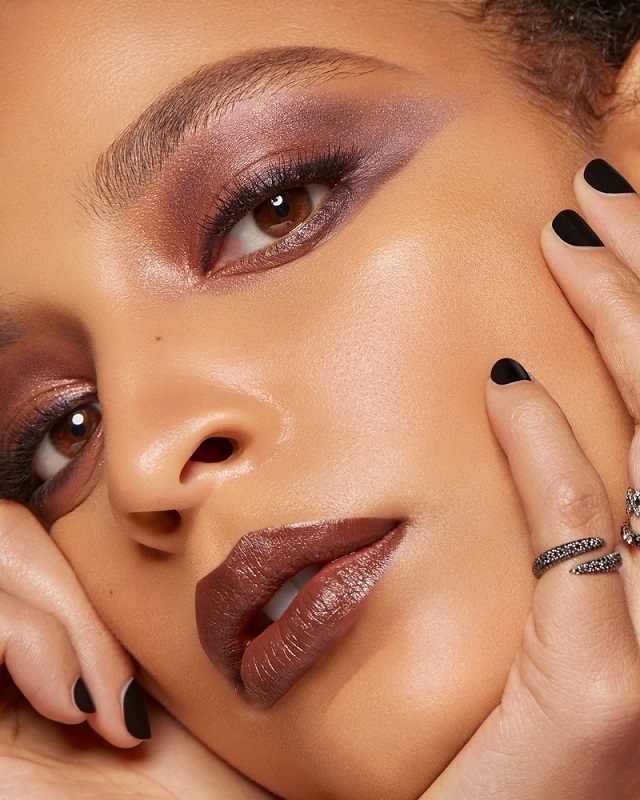
You can follow the steps below to do a monochromatic makeup look:
Begin with a fresh face and add a light base that feels comfortable on the skin. The goal here is not heavy coverage but a smooth surface that lets the single shade family sit well. A soft base helps the colours blend better later.
Take the chosen shade and place it lightly on the eyelids. Use small strokes so the colour sits gently instead of looking sharp. Add a deeper tone from the same shade family if more depth is needed. Keeping the eyes soft helps maintain balance.
Use the same shade family on the cheeks, applying it in gentle layers. This step ties the look together and keeps the face connected. Soft strokes help avoid harsh lines and give the cheeks a natural finish that blends easily with the eye colour.
Pick a lip colour that matches the tones used on the eyes and cheeks. A soft or medium version of the same shade works well. This step completes the look by keeping everything in one colour family.
Blending is the final step that makes the look feel complete. Move slowly when blending the edges so the shades flow naturally into one another. This helps remove any sharp spots and keeps the entire face aligned without looking flat or uneven.
Some shades are easier to use every day. This section explains what works for most situations and why these tones blend well into simple routines.
Peach and coral add quiet brightness. They are easy to wear because they do not look too bold. Many people use these tones for daily routines since they stay calm and comfortable for long hours. They blend smoothly into many settings.
Rose and mauve tones add calm colour without drawing too much attention. They work well for both day and evening looks. These tones help shape the cheeks and lips while keeping the eyes soft. They also support cohesive makeup easily because they sit between warm and cool.
Berry and brown tones help create depth for people who want a slightly stronger finish. These tones shape the eyes but still stay within the same shade family used on the cheeks and lips. They feel steady and grounded without looking heavy or sharp.
A monochromatic makeup look gives a clean and steady result without too many steps. When the right shade family is chosen and applied with light layers, the face stays balanced through the day. This style works for daily wear and events, making it a simple and reliable makeup choice.
It uses one shade family across eyes, cheeks, and lips to create unity.
Peach, coral, rose, and mauve shades work well for simple routines.
Yes, berry and brown tones add depth without breaking the unified look.
It keeps the face smooth and avoids sharp lines that break the flow.
Yes. Picking the right shade family helps match any undertone.
This content was created by AI