

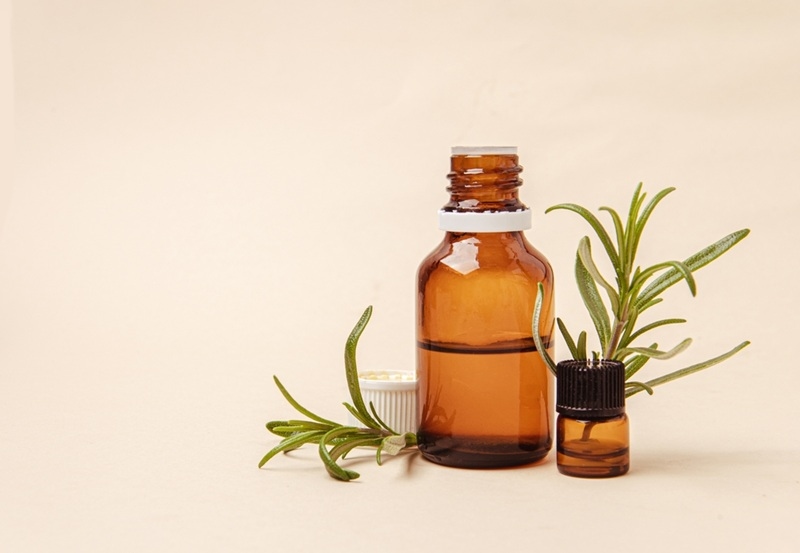
Losing hair can be very upsetting when the hair loss is uneven, as in alopecia. Recently, many individuals have been seeking natural alternatives to treat their conditions; one such option is Rosemary Essential Oil (R.O.). Rosemary oil is an effective and safe remedy for the treatment of alopecia areata.
What is the mechanism of action by which rosemary oil is effective for curing alopecia areata?
Rosemary oil improves blood circulation to the scalp, nourishing weak hair follicles by enhancing blood flow through them. Rosemary oil's anti-inflammatory properties will alleviate irritation associated with autoimmune responses. Regular use will help strengthen hair and reduce new hair loss.
Rosemary oil for alopecia areata works by improving blood circulation to the scalp, helping nourish weakened hair follicles. Its anti-inflammatory properties help soothe irritation associated with autoimmune responses.
Regular use can support stronger hair growth and naturally reduce further hair thinning.
Alopecia areata causes sudden hair loss in small patches, and it’s an autoimmune condition. Alopecia areata occurs when the immune system mistakenly attacks hair follicles, disrupting hair growth cycles. The fact that both men and women of all ages can be affected by alopecia should be noted. There are medical treatments available; however, many people try to treat alopecia areata naturally with rosemary oil in addition to any medical treatments.
Yes, rosemary oil is effective against alopecia. Anecdotal and some science-backed research suggest that rosemary oil may aid in stimulating hair growth and improving scalp health due to the following:
Rosemary oil increases blood circulation to the hair follicles, which increases the supply of nutrients to the hair follicles to develop stronger and healthier hair.
Rosemary oil also contains anti-inflammatory properties that will help soothe the scalp. This is very important for individuals dealing with hair loss caused by autoimmune conditions.
Several of the benefits of rosemary oil are supported by both traditional uses and current scientific evidence:
The cumulative benefits of using rosemary oil can be seen over time, especially when combined with an appropriate hair treatment.
Essential oils should be diluted, such as in rosemary's case; it should be diluted with a carrier oil (coconut or jojoba) prior to application to the scalp. To improve circulation and absorption of rosemary oil, massage the area where you will be using it 3-4 times a week. You want to do patch tests first and avoid excessive use to achieve reliable safety results.
Essential oils must be diluted before use for hair loss due to alopecia areata. Combine a couple of drops of rosemary oil with a carrier oil like Coconut, Jojoba, or Almond Oil to avoid the risk of irritation and ensure a safe application.
Gently rub the diluted essential oil on the scalp with your fingertips for 5-10 minutes in a circular motion. This helps to increase circulation to the scalp and will also help with absorption of the essential oil on your scalp. You can do this 3-4 times per week for maximum results.
If you want to give your scalp deep nourishment from rosemary oil, then leave it on for at least 30 minutes or overnight.
If you prefer a lighter touch, rinse your hair with a mild shampoo after applying rosemary oil. Both methods will enable rosemary to be effective for Alopecia Areata.
Another way to learn how to use rosemary oil for Alopecia Areata is to add it directly to your shampoo and/or conditioner.
Add 2-3 drops of your diluted rosemary oil to your regular hair care products, and use them as needed.
Always conduct a patch test before using rosemary oil. Apply some to your skin and wait 24 hours.
The first experiment will tell you if you have any adverse reactions.
Rosemary oil does provide actual benefits for hair loss through gradual improvement. It relies heavily on a sense of regularity, along with the reason why a person is losing their hair.
Research suggests that rosemary oil increases scalp circulation and promotes new hair growth; some studies indicate that these effects are comparable to those of traditional methods over the long term.
However, it is important to note that most users will not experience immediate benefits from using rosemary oil due to the requirement for both ongoing usage and time (4+ weeks) before seeing any results from using it. Additionally, although rosemary oil supports the general health of the scalp and follicle function, the most effective way to use it is in conjunction with other methods, rather than as an isolated treatment for alopecia areata.
Research suggests that rosemary oil is comparable to specific hair regrowth products when consistently applied. It enhances blood flow and supports hair follicle health, which is critical for naturally managing alopecia areata.
The benefits of rosemary oil in treating alopecia areata offer hope; however, keep in mind that results often take time to appear. Since the cycle of hair growth is relatively slow, it may take 8-12 weeks before you see any noticeable changes. Consistency is key.
Rosemary oil highlights the importance of having a natural, holistic approach to treating your alopecia areata. Combining rosemary oil with a balanced diet, stress management, and treatment options recommended by your dermatologist will help you maximize its benefits and maintain your hair's long-term health.
Thought You’d Find This Useful: Natural Hair Care Complete Guide for Healthy Hair Growth DIY
Most people with mild-moderate alopecia areata can benefit from using rosemary oil; however, those with more severe conditions should seek guidance from their medical provider prior to making the change to utilize solely natural alternatives.
Using rosemary essential oil as a remedy for alopecia areata provides natural, safe, and encouraging support for hair regrowth. The advantages of improved blood circulation and reduced inflammation from the topical application of rosemary essential oil to the scalp are considerable. The question of whether rosemary oil is beneficial for alopecia will be answered with a yes, provided it is used consistently and appropriately. Understanding how to apply rosemary essential oil to combat alopecia areata gives you the ability to take an active step toward achieving thicker, healthier hair.
Yes, mixing rosemary oil with other essential oils may provide better results when treating alopecia areata. Common mixing oils used to stimulate the scalp include lavender and peppermint. Mixing oils, however, will require dilution and testing for sensitivities before applying consistently, given the scalp's delicate nature and the potential for irritation or adverse reactions.
Most people report seeing new hair growth after consistently using rosemary oil for 8 to 12 weeks. Hair growth cycles differ for everyone, so having patience is important. The amount of rosemary oil you use and the overall care of your scalp and hair will help determine how quickly you see results in treating alopecia areata.
Although rosemary oil helps maintain a healthy scalp and strengthen hair follicles, it will not prevent hair loss under the autoimmune theory. Long-term use of rosemary oil may help reduce hair loss and stimulate future hair growth, making it a complementary part of a long-term plan for managing alopecia areata.
Rosemary oil can benefit all hair types (straight, wavy, curly, and coily) because its light texture allows it to be easily absorbed and not build up. For those with sensitive scalps, a diluted rosemary oil solution may provide greater comfort and prevent irritation during this treatment.
Although many natural remedies are available for hair loss, none should ever be used instead of medically prescribed treatments (e.g., minoxidil/Rogaine). However, using rosemary oil alongside other medical treatments enhances scalp health and helps stimulate natural hair growth. You should always contact your doctor before discontinuing any medical treatments or using only natural treatments for hair loss.
This content was created by AI