

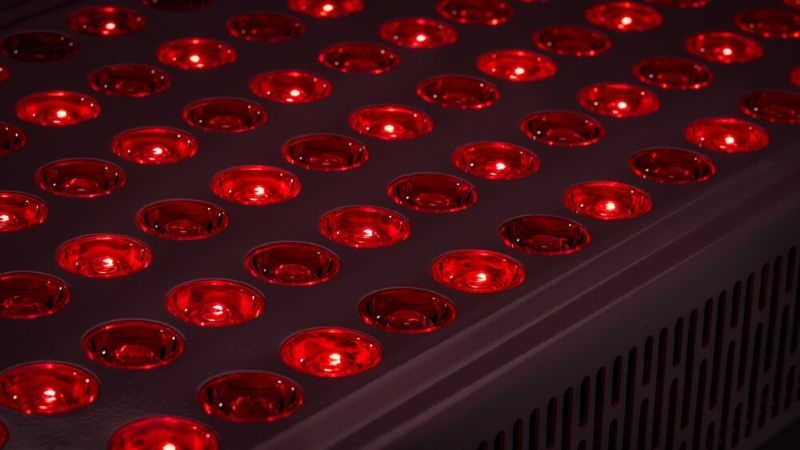
A few years ago, glowing red masks looked like something out of a science fiction movie. Now they sit on bathroom counters next to cleansers and serums. Influencers swear by them. Dermatologists talk about them. Friends casually mention them over coffee.
So what is going on? The rise of at-home red light therapy feels sudden, but the technology itself has been studied for decades. The real shift is accessibility. Devices that were once limited to clinics now come in handheld panels, face masks, and even caps designed for the scalp.
The question is not whether red light exists. It clearly does. The question is whether shining it on your face at home actually improves skin and hair health. Or if it is just another trend that glows bright for a season and fades away.
At its core, at-home red light therapy uses specific wavelengths of red and near infrared light to penetrate the skin. The idea is that these wavelengths stimulate cellular activity. More specifically, they interact with mitochondria, which are often described as the power plants of cells.
When cells produce more energy, they may repair themselves more efficiently. That is the theory. In clinical settings, red light therapy for skin has been used to address inflammation, fine lines, and acne. Devices marketed for home use aim to replicate that experience at lower intensities. It sounds promising. But promise and proof are not always the same thing.
Let’s talk about red light therapy for skin first, because that is where most people start. Users often report smoother texture after several weeks. Slight softening of fine lines. A healthier glow. Dermatologists explain that consistent exposure may encourage better circulation and mild collagen stimulation.
Collagen matters. It keeps skin firm and elastic. Over time, natural collagen production slows down. That is when wrinkles show up. Sagging appears. No one is shocked by this. It is biology. That is why the idea of a non invasive anti-aging light treatment feels so appealing. No needles. No downtime. Just sitting under warm light for ten to fifteen minutes.
But results are not instant. Anyone expecting overnight transformation may feel disappointed. Improvements, if they occur, tend to build gradually. Patience becomes part of the process.
Hair loss conversations are personal. Emotional. For many people, thinning hair affects confidence deeply.
The market for red light therapy hair growth devices has grown rapidly. Caps and helmets lined with tiny LEDs promise stimulation of hair follicles. The mechanism is similar to skin treatment. Improve cellular energy. Increase blood flow. Encourage follicle activity. Some clinical studies suggest low level light therapy may support hair density in certain types of hair loss. Especially androgenetic alopecia.
But consistency is critical. A few sessions will not shift anything dramatically. Users often commit to three to five sessions per week for months. Even then, results vary. Genetics play a role. Hormones matter. Overall health matters. Light therapy is not a miracle cure. It is a supportive tool.
The broader category of LED light therapy benefits extends beyond aesthetics. Red light has been studied for wound healing, inflammation reduction, and even muscle recovery.
That broader research base gives the skincare and hair applications some credibility. It is not entirely cosmetic hype. However, at home devices are typically lower powered than clinical equipment. That is intentional for safety reasons. But it also means expectations should stay realistic.
People sometimes assume stronger is better. That is not always the case. Controlled, moderate exposure tends to be safer for regular use. The key question becomes this. Are people looking for subtle support or dramatic transformation? The answer shapes satisfaction levels.
Know More: Expert-Approved Top Five Hair Loss Treatments for Women
Marketing loves bold promises. Words like anti-aging light treatment and collagen boosting therapy appear frequently on packaging.
There is science behind light interacting with fibroblast cells, which help produce collagen. That part is grounded in research. The gap lies in scale. How much collagen increase occurs with consumer devices? That varies.
Some dermatologists recommend combining red light sessions with a solid skincare routine. Cleanse. Moisturize. Use sunscreen daily. Light therapy enhances a disciplined regimen. It does not replace it.
Interestingly, users who approach red light with realistic expectations often report better satisfaction. They notice subtle improvements in tone and texture rather than expecting dramatic lifting. Small changes can still feel meaningful.
Anyone considering at-home red light therapy should evaluate a few factors. Wavelength range matters. Devices often advertise numbers like 630 nanometers for red light or 850 nanometers for near infrared. These ranges correspond to deeper penetration.
Session length matters too. Most brands suggest ten to twenty minutes several times a week. Consistency is more important than intensity.
Skin sensitivity also plays a role. People with certain conditions or who use photosensitizing medications should consult a healthcare provider before starting. It may sound cautious. It is.
One of the biggest mistakes people make with new skincare technology is failing to track progress.
Taking baseline photos before beginning red light therapy for skin can help. Subtle changes are easier to notice side by side than in the mirror day to day. The same applies to red light therapy hair growth. Scalp photos taken monthly provide a clearer picture of density shifts.
Without documentation, it becomes guesswork. And guesswork often leads to frustration. Results tend to appear gradually over eight to twelve weeks. Sometimes longer. Patience. Again.
On a Similar Note: How To Achieve Perfect Gothic Makeup Looks With Ease
This depends on personal goals. For someone seeking a gentle collagen boosting therapy approach without invasive procedures, red light devices may feel worthwhile. They require time, not recovery.
For someone expecting dramatic wrinkle reversal, disappointment is likely. The appeal of anti-aging light treatment lies in its non invasive nature. It fits easily into a routine. Watch a show. Read a book. Sit under the panel.
There is something calming about it. That alone may offer stress reduction benefits, which indirectly support skin health too. Not every benefit shows up in a before and after photo.
Most devices recommend sessions three to five times per week for ten to twenty minutes, depending on manufacturer guidelines.
Generally, red light therapy for skin is considered safe when used as directed, but individuals with sensitivities should consult a professional.
Results vary. Some users experience increased density with consistent use, while others may see minimal changes depending on underlying causes.
This content was created by AI