


If there is one step people skip in their routine, it is sunscreen. They remember cleanser, maybe a serum, definitely a moisturizer. Then they grab their bag and hope their hat or cloud cover will somehow act like the best sunscreen for face. Sadly, that is not how it works.
The right SPF can be the quiet hero of any routine. Not flashy. Not exciting. But it protects from early wrinkles, dark spots, and that uneven tone that shows up in photos before it shows up in the mirror. Once someone finds a formula they actually like, daily sun care suddenly feels much less like a chore.
Picking the best sunscreen for face can feel confusing at first. Shelves are packed with sprays, gels, sticks, and creams, all shouting about different numbers and claims. A simple way to cut through the noise is to focus on three basics: SPF number, broad spectrum coverage, and texture.
For everyday city life, many experts suggest SPF 30 or higher. That level of SPF protection blocks a solid amount of UVB rays when used properly. “Broad spectrum” on the label means it also helps protect from UVA rays, the ones that quietly age the skin. After that, it comes down to how the product feels. If it is sticky, heavy, or leaves a stubborn white cast, no one is going to reach for it every morning.
Most people think about sunscreen only on holidays or at the beach. In reality, UV rays hit the skin every single day, even through windows and on cloudy mornings. Over time, that exposure can break down collagen, cause pigmentation, and make the skin look older than it needs to.
That is where good SPF protection steps in. A small amount of product, used consistently, can prevent a lot of the damage that shows up years later. It is not about fear, just about being practical. A bottle of facial sunscreen costs far less than multiple brightening treatments or in clinic procedures later.
A lot of frustration comes from using the wrong texture for the wrong skin. Thick creams on very oily skin, for example, can feel like a greasy mask. Lightweight gels on very dry skin can leave everything tight and uncomfortable.
Those with shine prone complexions usually do better with light gels, fluids, or oil free creams. Finding the best sunscreen for face for oily skin often means looking for words like “matte”, “non comedogenic”, or “oil control” on the bottle. Dry or mature skin, on the other hand, might love richer lotions that feel more like a moisturizer.
The goal is simple. A facial sunscreen should disappear into the routine so smoothly that it barely feels like an extra step. When the texture suits the skin type, that happens almost automatically.
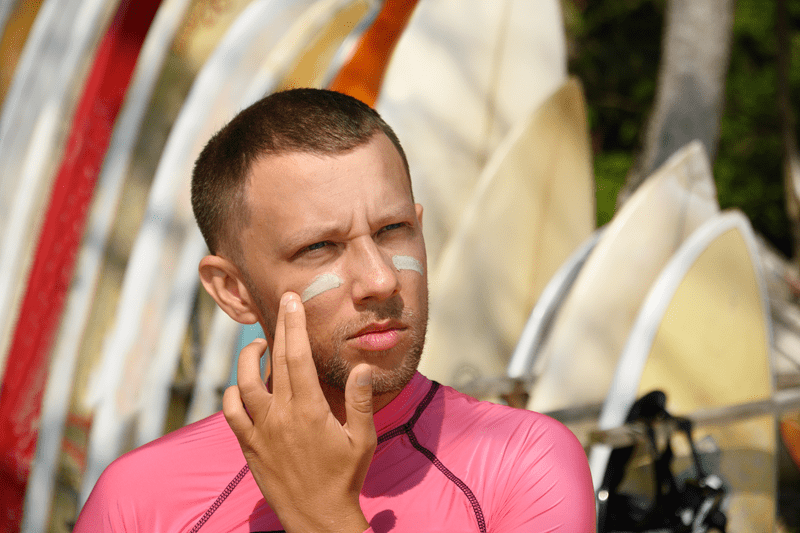
Once skin type is clear, the next layer of choice is about filters and finish. There are two main kinds of filters used in modern sun care products. Mineral (or physical) filters like zinc oxide and titanium dioxide sit on top of the skin and reflect rays. Chemical filters absorb UV and convert it into a tiny amount of heat.
People with sensitive skin often enjoy mineral formulas, while others prefer chemical ones for their lighter feel. Some products mix both. The finish also matters a lot. A satin or matte finish tends to look and feel better during the day, especially under makeup. When someone finally lands on a texture they enjoy, that product often becomes their own personal best sunscreen for face for oily skin or dry skin, even if the bottle itself never uses big marketing words.
There is a reason many skin specialists keep recommending the same few formulas. A dermatologist recommended sunscreen for daily use usually has a couple of things in common. The filters sit in safe, tested ranges. The texture is comfortable enough for daily wear. And the formula is less likely to be overloaded with heavy fragrance or irritating extras.
For people dealing with acne, rosacea, or stubborn pigmentation, this kind of guidance can save a lot of trial and error. Instead of bouncing through dozens of products, they can start with something that already has a track record on similar skin concerns. Over time, that makes it much easier to stick with sun care every single day, not just on “special” days.
Even with the right products, a few habits can get in the way. One big mistake is using too little product. For the face and neck, most people need around a quarter teaspoon amount. That sounds oddly specific, but in real life it usually looks like two good finger lengths of sunscreen. Anything less and even the best sunscreen for face cannot perform as promised on the label.
Another pitfall is applying it only once in the morning and forgetting about it for long outdoor days. If there is intense sun exposure, sweating, or swimming, reapplication every couple of hours makes a huge difference. It is also easy to forget areas like ears, the back of the neck, and the hairline. A dermatologist recommended sunscreen for daily use is only as good as the habits wrapped around it.
The most effective routine is the one someone can actually maintain on busy mornings. A simple order usually works well: cleanse, treat, moisturize, then facial sunscreen. If the moisturizer already contains some hydrating ingredients and the sunscreen is comfortable, there is no need for twelve extra steps.
Makeup can go on top once the SPF sets for a minute or two. Many find that when they use the best sunscreen for face for oily skin, their base makeup actually lasts longer and looks smoother. That thin SPF layer can almost act like a primer, especially if it has a soft matte finish. For bare skin days, a tinted formula can even out tone just enough to feel put together without a full face.
For most people, SPF 30 or higher offers a good balance of protection and comfort, as long as they apply enough and reapply during long outdoor days. Those who burn very easily or spend a lot of time in direct sun may prefer SPF 50. The key is choosing a formula that feels like their personal best sunscreen for face so they actually want to wear it.
People with oily or combination skin usually do well with lightweight gels or fluid lotions that feel almost like nothing on the skin. Products marked oil free, matte, or non comedogenic are a good starting point. Finding the best sunscreen for face for oily skin often means testing a couple of textures and noticing which one stays comfortable through a full day of work or study.
It is not mandatory, but it can help a lot, especially if there are issues like acne, redness, or sensitivity. A dermatologist recommended sunscreen for daily use has usually been chosen for its reliable filters and lower risk of irritation. That guidance can make daily SPF easier to stick with and reduce the chance of breakouts or stinging when it is applied around the eyes.
This content was created by AI