

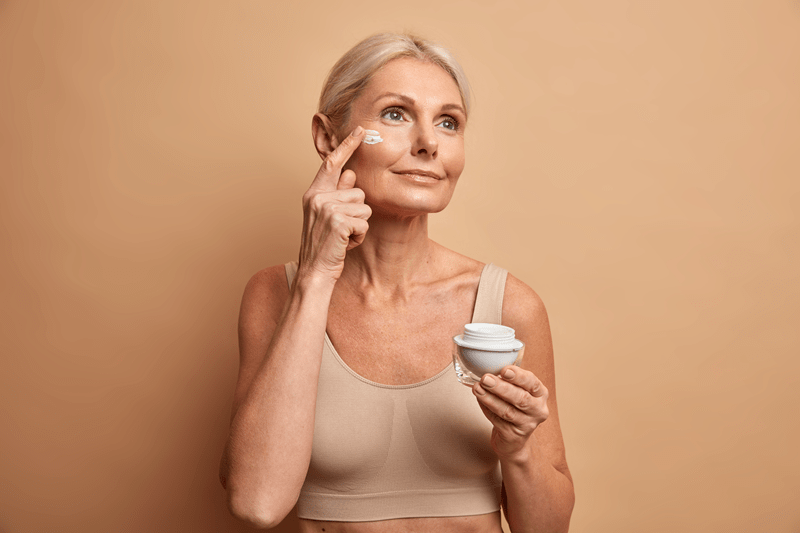
Anyone else feel like fine lines, dullness, and random dark spots show up overnight? One week the skin looks fresh, the next week it suddenly looks tired in every selfie. That is usually the moment people start frantically Googling anti-aging skincare and filling carts with random creams.
This guide slows things down. It walks through what actually makes skin look older and how to choose products that genuinely support youthful skin, not just promise miracles on the label.
A lot of people think anti-aging skincare is only for their forties or fifties. In reality, the skin starts losing collagen and elasticity way earlier. Late twenties and early thirties are often when fine lines and uneven texture quietly begin.
The goal is not to “freeze” the face. It is to keep skin strong, hydrated, and protected so it ages slowly and gracefully. Good routines focus on basics first, then add targeted anti-wrinkle products if needed.
Think of it like retirement savings. Start small, start early, and stay consistent. That does more for long term youthful skin than any last minute, super expensive cream bought in a panic.
Fine lines and wrinkles are not just about age. Several things team up against the skin every single day. Sun, pollution, stress, and sugar heavy diets all contribute. Sleep issues and smoking make the damage worse.
Over time, these stresses break down collagen, slow down cell turnover, and dry out the skin barrier. That is when people start hunting for “miracle” anti-wrinkle products and brightening masks. But no product can fully undo constant damage.
The most effective routines combine protection and repair. Sunscreen every day. Gentle exfoliation a few times a week. Hydrating layers topped with a rich cream. Then a targeted face serum to deal with specific issues like dark spots, texture, or loss of firmness.
People often overcomplicate things. Ten steps, fifteen jars, zero patience. A simple framework usually works better and is easier to stick to.
Morning can look like this:
Night can be similar, with a focus on repair instead of protection. This is when many people use retinol or peptide based anti-wrinkle products to slowly soften lines and support firmness.
Layering matters. Thin textures first, heavier creams last. Give each layer a few seconds to sink in. That one small tweak can help youthful skin look smoother and more even without feeling greasy or overloaded.

Shelves and sites are packed with creams, serums, and masks all shouting about tightening, lifting, or “age reversing”. It can be a lot. A helpful way to cut through the noise is to focus on skin goals.
Want brightness and glow? Look for vitamin C and niacinamide.
Want smoother texture? Gentle acids and retinol can help.
Want deep comfort? Ceramides, glycerin, and hyaluronic acid are key.
When searching for the best anti-aging skincare for women, it helps to ignore big promises and read the ingredients and texture instead. Oily skin types may prefer gels and lightweight lotions. Dry or mature skin may feel happier with richer creams and oils.
Checking reviews from people with similar skin types also helps. The “perfect” cream for one person may be too heavy or too light for another. A routine that actually works will feel comfortable and easy to live with, not like a chore.
There is a big difference between trendy marketing and science backed formulas. Many specialists lean toward tried and tested ingredients such as retinoids, vitamin C, peptides, and broad spectrum sunscreens.
Choosing dermatologist recommended anti-aging products does not automatically mean everything has to be prescription strength or super expensive. It usually means the formulas use actives in proven ranges and have gone through more careful testing.
If irritation, sensitivity, or acne are part of the picture, getting advice from a professional can save a lot of trial and error. They can help pick out the best anti-aging skincare for women who have specific concerns like melasma, rosacea, or post acne marks. That way, each product in the routine has a job and a reason to be there.
Products matter, but habits quietly decide how well they work. Simple daily choices can make a visible difference to youthful skin over time.
Helpful habits include:
Pair those habits with a focused face serum, hydrating cream, and consistent sun protection and results usually show up slowly but surely. Fine lines look softer. Tone becomes more even. The whole face looks more awake and relaxed.
Adding a few carefully chosen dermatologist recommended anti-aging products on top of these habits can support firmness and texture even more, especially around the eyes and mouth where signs of age often appear first.
The most effective plan is one that fits real life. No one sticks to a twenty step ritual when they are exhausted after work. The routine has to feel doable on busy days as well as slow ones.
A simple starting point could be:
As confidence grows, people can add an eye cream, occasional masks, or stronger anti-wrinkle products if needed. The key is to introduce one new product at a time and give it a few weeks to show results. That also makes it easier to spot any irritation quickly.
Over the months, a thoughtful mix of anti-wrinkle products, hydrating layers, and dermatologist recommended anti-aging products can help skin stay smoother, brighter, and more resilient. The aim is not perfection. It is simply to keep skin feeling like itself for as long as possible.
Most people can start gentle anti-aging skincare in their mid to late twenties. That usually means daily sunscreen, a basic antioxidant serum, and a good moisturizer. Stronger anti-wrinkle products like retinol can be added later, once there are clear signs of lines or texture changes and the skin barrier feels healthy.
Not always, but dermatologist recommended anti-aging products usually rely on ingredients with strong research behind them. They tend to focus on proven actives such as retinoids, vitamin C, and peptides instead of trendy but untested claims. For sensitive or acne prone skin, this guidance can be especially helpful.
For sensitive skin, the best anti-aging skincare for women is usually simple and soothing. Fragrance free creams, mild cleansers, and low strength actives are safer choices. Introducing one product at a time and patch testing first can reduce flare ups. If redness or stinging shows up often, it is smart to talk to a dermatologist before adding stronger treatments.
This content was created by AI