

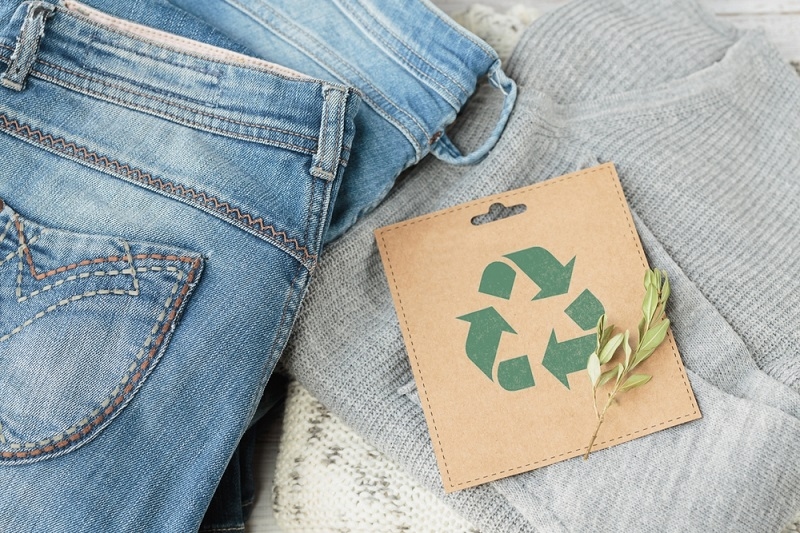
Sustainable fashion trends are shaping the way many people shop today because they want simple choices that feel responsible. These trends help shoppers understand how clothing can support long-term habits. This blog explains eco-friendly clothing ideas, ethical fashion values, and slow fashion habits in a clear and easy way.
More shoppers today are turning toward clothing that feels responsible and gentle on the environment. Eco-friendly clothing is becoming common because people now see how small buying decisions affect the world around them. They want clothes that feel simple, useful, and honest. The interest in these habits is growing because people want to reduce waste without making their daily routines complicated.
A large part of this movement is linked to ethical fashion. People want to know that the people who make their clothes work in safe and fair conditions. They want assurance that their choices do not harm someone else. This awareness is slowly changing how shoppers think before they buy. It pushes them to ask questions, look at labels, and understand the story behind each item.
Slow fashion is also becoming a steady part of everyday decisions. It encourages shoppers to slow down instead of buying instantly. It asks them to choose items that last longer and serve a real purpose. Slow fashion reminds people that clothing is not something to replace every month. It is something to use, care for, and appreciate over time.
The latest sustainable fashion trends help guide shoppers toward these good habits. They offer simple ideas, clear changes, and easy steps. The focus is not on perfection but on awareness. When shoppers follow even a few habits, it slowly becomes a natural part of their lifestyle. These changes may feel small, but they build a long-term impact.
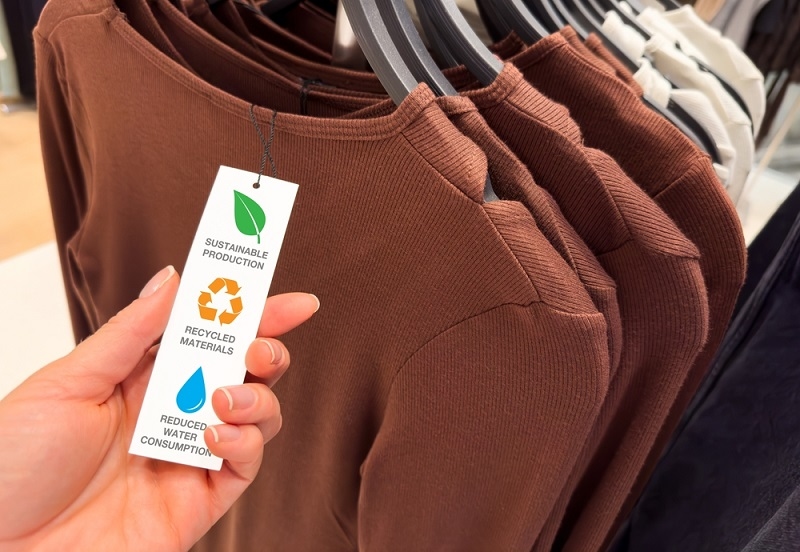
The following list will help you to understand the major sustainable fashion trends that have reshaped the modern wardrobes:
Natural fibers are becoming a preferred choice because they feel simple and last a long time. People like how these materials remain comfortable without needing special care. They want clothing that supports everyday life and fits their values without adding pressure.
Recycled fabric is rising in popularity because it reduces waste and gives old materials a new life. Shoppers feel good knowing their choices help the environment in a clear way. These fabrics also look familiar, so the switch feels easy.
Many shoppers are more aware of how dyes affect water and the environment. Low-impact dyes use simpler processes that are gentler on the planet. People appreciate that they can buy colorful clothing without worrying about complex environmental issues.
A growing number of shoppers now want clothes they can wear for years. They want simple designs that stay useful in many situations. This habit reduces unnecessary buying and helps people build a wardrobe they can rely on.
Many shoppers feel more at ease when they know their clothes are made responsibly. They want workers to have fair treatment and safe conditions. This leads them to check how items are produced before making a decision.
Shoppers are shifting from buying many items to choosing fewer pieces that feel dependable. This trend helps reduce clutter and waste. It also keeps closets simple and organized, which helps people understand what they actually need.
Small repairs are becoming a common habit because people want to extend the life of their clothing. Fixing a small tear or button can save an item. This keeps clothes in use longer and reduces the pressure of buying new pieces.
Many people now enjoy turning old clothing into something different. A shirt can become a tote bag, or a top can become a simple home item. This keeps fabric out of waste and encourages creativity in a simple way.
People are learning that a clear wardrobe helps them avoid unnecessary purchases. When everything is easy to see, they understand what they already own. This supports more mindful buying and helps people use their clothes more often.
Many shoppers are opting for clothing that feels responsible and straightforward. These choices slowly guide the fashion world to work in cleaner and more mindful ways. The industry adjusts because people now expect better habits from the brands they support.
Shoppers want fabrics that last longer and feel gentle on the environment. This pushes brands to use cleaner materials and avoid waste. When people show interest in these products, the industry responds by offering more responsible options.
Increasingly, buyers are inquiring about the manufacturing process of clothing. This makes companies pay closer attention to working conditions. Brands focus on safer practices because shoppers want to support people behind the clothes, not just the product.
Many shoppers prefer items that stay useful for years. This encourages designers to create timeless pieces instead of quick seasonal styles. It helps reduce waste and gives people clothing they can rely on for longer.
Consumers now expect clear information about materials and production. This pushes companies to share more details and be open about their process. Transparency builds trust and encourages better habits across the industry.
People are buying fewer items and choosing better quality instead. This reduces the pressure on brands to produce large quantities quickly. It creates a healthier pace and supports more thoughtful planning in the fashion world.
Sustainable fashion trends guide people toward simple and thoughtful habits. These choices help reduce waste, support fair production, and encourage long-term use. With small actions and steady awareness, anyone can build a wardrobe that matches responsible values without complicating daily life.
They are habits that help shoppers make simple choices that reduce waste and support long-term use.
It reduces harm to the environment and makes clothing easier to manage over time.
It supports fair working conditions and responsible manufacturing.
It encourages buying fewer items and using them for longer periods.
Start by choosing long-lasting items, repairing clothes, and avoiding unnecessary buying.
This content was created by AI